
[sub2unlock id=”3636″]
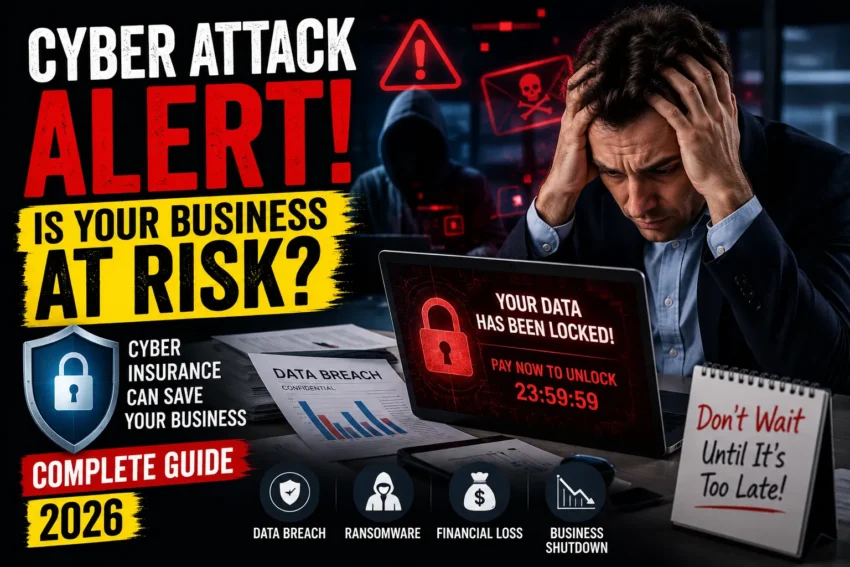
Every year, thousands of small businesses become victims of cyberattacks. From ransomware and phishing emails to customer data breaches and financial fraud, cybercrime is no longer a problem limited to large corporations. In fact, small businesses have increasingly become attractive targets because many operate with limited cybersecurity resources.
For business owners, a single cyber incident can lead to significant financial losses, legal complications, operational downtime, and reputational damage. Even companies with fewer than 50 employees are finding themselves vulnerable to sophisticated attacks that can disrupt operations for days or even weeks.
This growing threat has made cyber insurance one of the most important business protections available today.

Cyber insurance is designed to help businesses recover financially after cyber-related incidents. Depending on the policy, it may cover legal expenses, data recovery, customer notification costs, business interruption losses, ransomware payments (where legally permitted), forensic investigations, and public relations support.
In this guide, we’ll explain how cyber insurance works, what it covers, why small businesses need it, and how to choose the right policy in 2026.
What Is Cyber Insurance?
Cyber insurance, sometimes called cyber liability insurance, is a specialized business insurance policy that helps companies manage the financial impact of cyber incidents.
Unlike general business insurance, cyber insurance specifically addresses risks associated with digital operations, including hacking, malware attacks, data breaches, phishing scams, and network security failures.
As businesses increasingly rely on cloud services, online payments, remote work, and digital customer records, cyber insurance has become an essential part of risk management rather than an optional expense.
Why Small Businesses Need Cyber Insurance
Many small business owners believe cybercriminals only target multinational corporations.
Unfortunately, that assumption is no longer true.
Hackers often prefer attacking smaller businesses because they usually have fewer security resources and less sophisticated IT infrastructure.
A successful cyberattack can result in:
- Customer information being stolen
- Business bank accounts being compromised
- Website downtime
- Ransomware encrypting company files
- Loss of confidential business data
- Regulatory penalties
- Expensive legal claims
Without cyber insurance, these costs must often be paid directly by the business owner.
For many small businesses, even one serious cyberattack can threaten long-term survival.
Common Cyber Threats Facing Small Businesses
Understanding today’s cyber risks helps explain why insurance has become increasingly valuable.
Phishing Attacks
Cybercriminals send fake emails pretending to be trusted organizations. Employees unknowingly click malicious links or provide sensitive login credentials.
Phishing remains one of the most common causes of business data breaches worldwide.
Ransomware
Ransomware encrypts business files and demands payment to restore access.
Even companies with reliable backup systems often experience costly downtime while recovering operations.
Data Breaches
Businesses storing customer names, payment information, medical records, or financial data face serious legal and financial consequences if that information is exposed.
Business Email Compromise
Fraudsters impersonate executives or suppliers to trick employees into transferring money or revealing confidential information.
These scams have resulted in billions of dollars in global financial losses.
Insider Threats
Not every cyber incident comes from outside attackers.
Human error, accidental data exposure, or malicious actions by employees can also create significant financial risks.
What Does Cyber Insurance Cover?
Coverage varies by insurer, but comprehensive cyber insurance policies generally include several important protections.
Data Breach Response
If customer information is exposed, insurers may help cover:
- Customer notification costs
- Credit monitoring services
- Legal consultation
- Regulatory compliance expenses
- Public relations support
Business Interruption Losses
When a cyberattack forces operations to stop temporarily, cyber insurance may compensate businesses for lost income during recovery.
This coverage is especially valuable for companies that depend heavily on online sales or digital operations.
Cyber Extortion
Some policies provide financial assistance when businesses become victims of ransomware attacks.
Coverage may include:
- Incident response specialists
- Negotiation services
- Recovery expenses
- Certain ransom-related costs where legally allowed
Digital Asset Recovery
Recovering corrupted databases, software, websites, and business files can be extremely expensive.
Cyber insurance often helps pay these restoration costs.
Legal Defense Costs
If customers, vendors, or business partners file lawsuits following a cyber incident, legal expenses can increase rapidly.
Many cyber insurance policies include legal defense coverage, settlements, and court-related expenses within policy limits.
What Cyber Insurance Usually Doesn’t Cover
Business owners should also understand the limitations of their policy.
Most insurers exclude coverage for:
- Intentional illegal activities
- Fraud committed by business owners
- Pre-existing security incidents
- Failure to maintain minimum cybersecurity standards
- Acts of war or state-sponsored cyber warfare (depending on policy wording)
- Known vulnerabilities ignored by the insured
Reading policy exclusions carefully is just as important as understanding covered benefits.
Industries That Benefit Most from Cyber Insurance
Although every business handling digital information can benefit, certain industries face significantly higher cyber risks.
These include:
- Healthcare clinics
- Law firms
- Accounting firms
- Financial advisors
- Online retailers
- Marketing agencies
- IT service providers
- SaaS companies
- Educational institutions
- Real estate businesses
Organizations that collect customer payment information or personal data are especially attractive targets for cybercriminals.
Top Cyber Insurance Providers for Small Businesses
Choosing the right insurer is just as important as purchasing coverage.
Some of the most recognized providers serving small businesses include:
1. Chubb
Chubb offers comprehensive cyber insurance solutions for businesses of various sizes.
Its policies often include incident response services, cyber risk assessments, legal assistance, and breach recovery support.
Best For: Businesses seeking broad coverage with global expertise.
2. Travelers
Travelers provides cyber liability policies designed specifically for small and medium-sized businesses.
Coverage frequently includes ransomware response, data breach expenses, business interruption, and digital asset restoration.
Best For: Growing businesses looking for flexible coverage options.
3. Hiscox
Hiscox is well known among startups, freelancers, and small business owners.
The company offers policies tailored to businesses that rely heavily on online operations and customer data.
Best For: Small companies with limited cybersecurity budgets.
4. Coalition
Coalition has quickly become one of the fastest-growing cyber insurance providers in the United States. Unlike many traditional insurers, Coalition combines insurance coverage with cybersecurity technology.
Businesses receive continuous risk monitoring, vulnerability alerts, and security recommendations alongside insurance protection.
One of Coalition’s biggest advantages is its proactive approach. Instead of simply paying claims after an incident, the company actively helps businesses identify and reduce cyber risks before attacks happen.
Best For
- Technology companies
- Online businesses
- E-commerce stores
- SaaS startups
Key Features
- 24/7 cyber risk monitoring
- Threat intelligence
- Ransomware protection
- Incident response team
- Data breach coverage
5. CNA Cyber Insurance
CNA is another trusted insurer offering cyber liability coverage for businesses across multiple industries.
Their policies typically include both first-party and third-party coverage.
This means businesses receive financial protection for their own losses while also receiving legal support if customers or partners file claims following a cyber incident.
Best For
Professional service businesses and medium-sized companies.
6. The Hartford
The Hartford provides cyber insurance solutions designed specifically for small businesses.
Their policies often cover:
- Data restoration
- Cyber extortion
- Business interruption
- Digital media liability
- Privacy liability
Businesses already using The Hartford for general liability insurance may benefit from combining multiple policies under one provider.
How Much Does Cyber Insurance Cost?
One of the first questions business owners ask is:
“How expensive is cyber insurance?”
The answer depends on several factors.
Small businesses generally pay anywhere between $500 and $5,000 per year, while larger organizations with higher cyber exposure may pay considerably more.
Premiums vary based on:
- Company revenue
- Industry
- Number of employees
- Annual sales
- Customer data stored
- Payment processing systems
- Security practices
- Previous cyber incidents
- Coverage limits selected
A business storing medical records or financial information usually pays more than a local retail store with minimal customer data.
Factors That Affect Premiums
Insurance companies carefully evaluate cyber risk before issuing a policy.
Some of the biggest pricing factors include:
Industry
Healthcare, finance and legal firms typically face higher premiums because they manage sensitive information.
Revenue
Businesses with higher annual revenue often purchase larger coverage limits, increasing premiums.
Cybersecurity Measures
Companies using:
- Multi-factor authentication
- Encrypted backups
- Employee cyber training
- Endpoint protection
- Regular security updates
often receive better pricing than businesses with weak security controls.
Claims History
Previous cyber insurance claims can significantly affect future premiums.
Businesses with repeated incidents may pay considerably more.
How to Choose the Right Cyber Insurance Policy
Every business has different cybersecurity risks.
Before purchasing coverage, ask yourself:
- What customer information do we store?
- How much revenue depends on our website?
- Can we survive several days of downtime?
- Do we process online payments?
- Could a data breach damage our reputation?
Comparing several insurers is always recommended.
Instead of focusing only on the cheapest premium, evaluate:
- Coverage limits
- Deductibles
- Exclusions
- Claims process
- Customer support
- Incident response services
- Reputation
Sometimes paying slightly more provides significantly better protection.
Cyber Insurance vs General Liability Insurance
Many business owners mistakenly believe their general liability policy covers cyberattacks.
It usually doesn’t.
| General Liability | Cyber Insurance |
|---|---|
| Covers physical injuries | Covers cyberattacks |
| Covers property damage | Covers ransomware |
| Covers legal claims from accidents | Covers data breaches |
| Covers advertising liability | Covers cyber extortion |
| Doesn’t protect digital assets | Protects digital information |
Both policies serve different purposes.
Most businesses need both.
Real-World Example
Imagine a small accounting firm serving 250 clients.
One morning, employees discover that every client file has been encrypted by ransomware.
Customer tax records become inaccessible.
The website goes offline.
Clients begin calling.
Without cyber insurance, the business must pay for:
- IT forensic specialists
- Data recovery
- Legal advisors
- Customer notifications
- Public relations
- Lost revenue during downtime
Total costs could easily exceed $100,000.
With an appropriate cyber insurance policy, many of these expenses may be covered according to policy terms, allowing the business to recover much faster.
Common Mistakes Businesses Make
Many companies delay purchasing cyber insurance because they believe they’re “too small.”
Unfortunately, attackers often think the opposite.
Avoid these mistakes:
- Waiting until after an attack
- Buying the cheapest policy available
- Ignoring policy exclusions
- Failing to train employees
- Never updating passwords
- Skipping data backups
- Ignoring software updates
- Assuming antivirus software alone is enough
Cyber insurance works best alongside strong cybersecurity practices—not as a replacement for them.
Cybersecurity Best Practices
Insurance providers increasingly expect businesses to follow basic security standards.
Recommended practices include:
- Enable Multi-Factor Authentication (MFA)
- Use strong password policies
- Back up important data regularly
- Encrypt sensitive customer information
- Train employees to recognize phishing emails
- Install security updates promptly
- Monitor network activity
- Restrict administrator access
- Test disaster recovery plans
Businesses that invest in cybersecurity often experience fewer claims and may qualify for more favorable insurance terms.
Frequently Asked Questions
Is cyber insurance worth it for small businesses?
Yes. Even a single ransomware attack or data breach can cost far more than several years of insurance premiums.
Does cyber insurance cover ransomware?
Many policies provide coverage for ransomware-related expenses, incident response, and recovery services, subject to policy terms and applicable laws.
Does cyber insurance pay for lost income?
Many comprehensive policies include business interruption coverage that helps replace income lost during recovery from a covered cyber incident.
Can home-based businesses buy cyber insurance?
Yes. Many insurers offer cyber liability policies designed for freelancers, consultants, startups, and home-based businesses.
Is cyber insurance legally required?
In most industries, cyber insurance is not legally mandatory. However, many companies purchase it because of increasing cyber risks and contractual requirements from clients or partners.
Final Thoughts
Cyber threats continue to evolve, and small businesses are increasingly becoming targets because attackers often assume they have fewer security resources.
Cyber insurance cannot prevent an attack, but it can significantly reduce the financial impact when one occurs. Combined with strong cybersecurity practices, employee awareness, and regular system updates, the right policy can help businesses recover more quickly and protect both their operations and customer trust.
Whether you run an online store, a consulting firm, a healthcare practice, or a growing technology startup, reviewing your cyber risk exposure and choosing appropriate insurance coverage is an important step toward building a more resilient business.
Secondary Keywords
- Best Cyber Insurance
- Small Business Cyber Liability Insurance
- Cyber Risk Insurance
- Data Breach Insurance
- Ransomware Insurance
- Business Cybersecurity
- Cyber Insurance Cost
- Cyber Liability Coverage
- Small Business Insurance
- Cybersecurity Protection

