
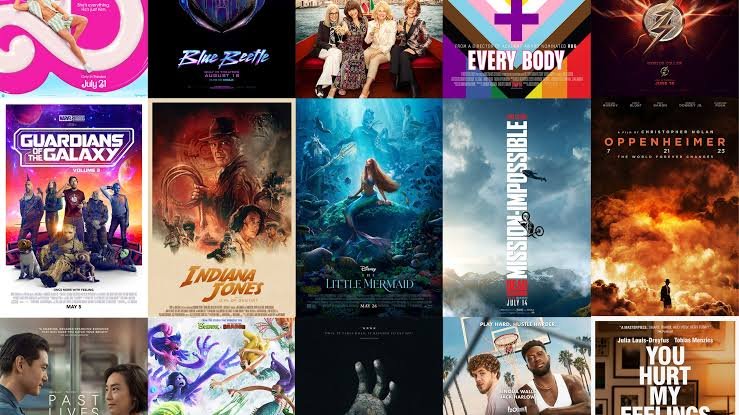
Movies remain one of the most popular forms of entertainment even as audiences gain access to short videos, streaming series and interactive media. Films can tell complete stories within a few hours while combining acting, music, visuals and sound into one experience.
The movie industry includes many genres, from action and comedy to romance, animation, horror, science fiction and documentaries. This variety allows audiences to choose entertainment according to their mood and interests.
Streaming has changed how people watch movies. Instead of waiting for television schedules or visiting a cinema, viewers can access a large library from home. At the same time, cinemas continue to offer a shared viewing experience, particularly for major releases and visually ambitious films.
Movies can also influence culture. Popular characters, dialogues, music and fashion may become widely recognized. Films can introduce audiences to unfamiliar places, historical periods or social issues, although viewers should distinguish fictional storytelling from factual history.
Technology has transformed filmmaking. Digital cameras, computer-generated imagery, advanced sound systems and virtual production have expanded what filmmakers can create. At the same time, strong storytelling and performances remain important regardless of technical advances.
Movie audiences have also become active participants. Reviews, fan communities and social media discussions can influence how people discover and discuss films. Trailers and short clips often create interest before a movie reaches a wider audience.
The future of movies will continue to combine traditional filmmaking with new technology and distribution methods. Yet the basic attraction remains unchanged: audiences want stories that entertain, surprise, move or inspire them.

