
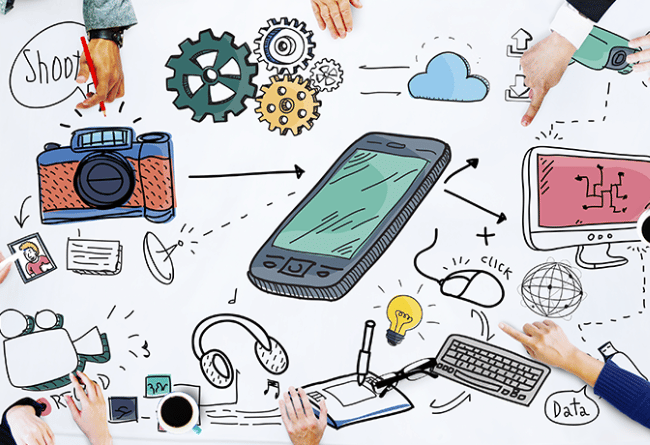
Technology has become deeply connected with everyday life. People use digital devices for communication, banking, education, entertainment, shopping and work. New technologies continue to change how these activities are performed.
Artificial intelligence is one of the most discussed areas. AI systems can help analyze information, generate content, automate tasks and support decision-making. Their usefulness depends on the quality of data, the design of the system and human oversight.
Cloud computing has also changed the way organizations store and access information. Instead of relying only on local computers, businesses can use remote infrastructure for software, storage and computing power. This can improve flexibility but also makes cybersecurity and access management important.
Smart devices are another visible part of technological change. Phones, watches, home appliances and other connected products can exchange information through the internet. While connectivity adds convenience, users should pay attention to passwords, software updates and privacy settings.
Technology is also changing education and employment. Online learning can provide access to new skills, while automation may change the tasks performed in certain jobs. Workers may increasingly need to learn new tools and adapt as technology develops.
Digital transformation brings challenges as well. Cyberattacks, misinformation, privacy concerns and unequal access can affect individuals and organizations. Responsible technology use therefore requires both innovation and awareness.
Technology is not valuable simply because it is new. Its real value comes from solving problems, improving access and helping people accomplish useful goals. As digital tools become more powerful, human judgment and responsible use will remain essential.

